
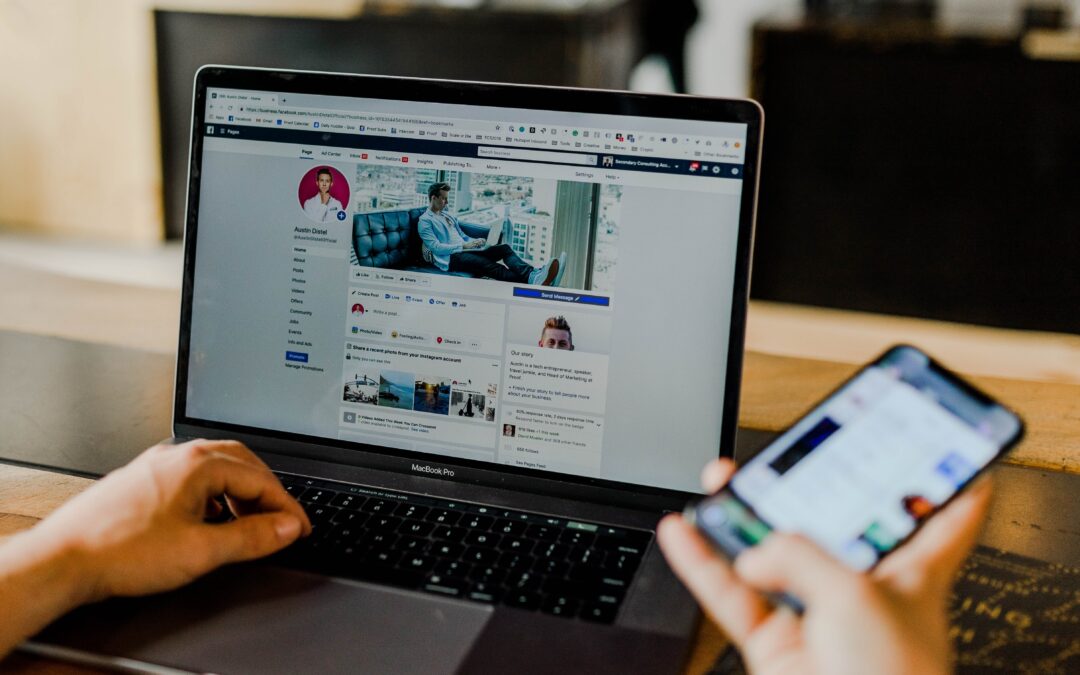
Social media has become woven into nearly every part of daily life — it’s how we connect, how we learn, how we unwind, and even how we measure ourselves against others. While these platforms can offer community and creativity, they also come with a growing body of research linking heavy use to increased anxiety. For many people, the very tool they turn to for distraction or connection ends up amplifying stress, comparison, and emotional overwhelm.
Understanding why this happens—and how to create healthier boundaries—can make social media a more intentional and less anxiety‑provoking part of life.
How Social Media Can Fuel Anxiety
One of the strongest contributors to anxiety is constant comparison. Social media rarely shows the full picture of someone’s life. Instead, we see curated moments: vacations, achievements, filtered photos, and carefully crafted updates. Even when we know this intellectually, emotionally it can still feel like everyone else is doing better, achieving more, or living with more ease. Over time, this comparison cycle can chip away at self‑esteem and increase feelings of inadequacy.
Another factor is information overload. Scrolling exposes us to a rapid mix of news, opinions, tragedies, humor, and personal updates—all within seconds. This constant emotional whiplash keeps the nervous system activated. For people already prone to anxiety, the endless stream of stimulation can make it harder to settle, focus, or rest.
There’s also the issue of interrupted attention. Social media platforms are designed to keep users engaged, which means notifications, alerts, and algorithm‑driven content that pulls attention away from the present moment. Over time, this can make it harder to concentrate, complete tasks, or feel grounded. Many people notice that after long periods of scrolling, they feel more restless, irritable, or disconnected from themselves.
Finally, social media can create pressure to respond, perform, or stay visible. Whether it’s maintaining streaks, replying quickly, or keeping up with trends, the sense of obligation can add another layer of stress. For teens and adults alike, the fear of missing out—or being left out—can heighten anxiety and reinforce compulsive checking.
Tips for Managing Social Media to Support Your Mental Health
The goal isn’t necessarily to quit social media entirely. For many people, these platforms offer meaningful connection, inspiration, and community. Instead, the focus is on using social media in ways that support emotional well‑being rather than undermine it.
- Set intentional time limits.
Instead of scrolling throughout the day, choose specific windows for checking social media. Even small boundaries—like no scrolling first thing in the morning or during meals—can reduce anxiety and help your brain reset. - Curate your feed.
Unfollow or mute accounts that consistently trigger comparison, stress, or self‑criticism. Follow accounts that promote grounding, creativity, humor, or learning. Your feed should feel like a place you choose, not a place that drains you. - Turn off non‑essential notifications.
Reducing the number of alerts your phone sends can dramatically decrease the urge to check apps. Fewer interruptions mean more presence and less nervous system activation. - Notice how you feel before and after scrolling.
A simple check‑in — “Do I feel better, worse, or the same?” — can help you identify patterns. If certain times of day or certain platforms consistently increase anxiety, that’s useful information for adjusting your habits. - Replace some scrolling with grounding activities.
Even five minutes of deep breathing, stretching, stepping outside, or connecting with someone in person can help regulate your nervous system more effectively than a scroll break. - Create tech‑free zones.
Bedrooms, dining tables, and morning routines are great places to start. Protecting even a few spaces from digital noise can support rest and emotional clarity.
Moving Toward a Healthier Relationship with Social Media
Social media isn’t inherently harmful, but the way we use it matters. By approaching it with awareness and boundaries, you can reduce anxiety, protect your mental health, and create more space for the parts of life that truly nourish you. Small changes add up, and over time, they can help you feel more grounded, present, and in control of your digital world.
This post was written with the assistance of artificial intelligence and then reviewed and edited by a licensed or provisionally licensed mental health professional.
Denise Fattic is a Provisionally Licensed Professional Counselor at Greenway Therapy . Learn more about her on her BIO page.