
The Mental Health Blog
The Problems with Peacekeeping
Many people grow up believing that the most loving thing they can do in a relationship is to keep the peace. They smooth things over, avoid conflict, swallow discomfort, and tell themselves it’s better to “go along to get along” than risk tension. On the surface, this...

Artificial Intelligence and Therapy: What’s Happening Now and What People Are Worried About
Artificial intelligence (AI) is beginning to appear in many parts of our everyday lives, and the mental health field is no exception. Many people now use AI for mood tracking, guided journaling, or learning coping skills. Clinicians use it behind the scenes to reduce...

Are We Ready to Start a Family?
Deciding whether to start a family is one of the most meaningful, and often one of the most complex, choices a couple can make. It’s not just a question of timing or logistics. It’s a question of identity, values, lifestyle, and the kind of future you want to build...
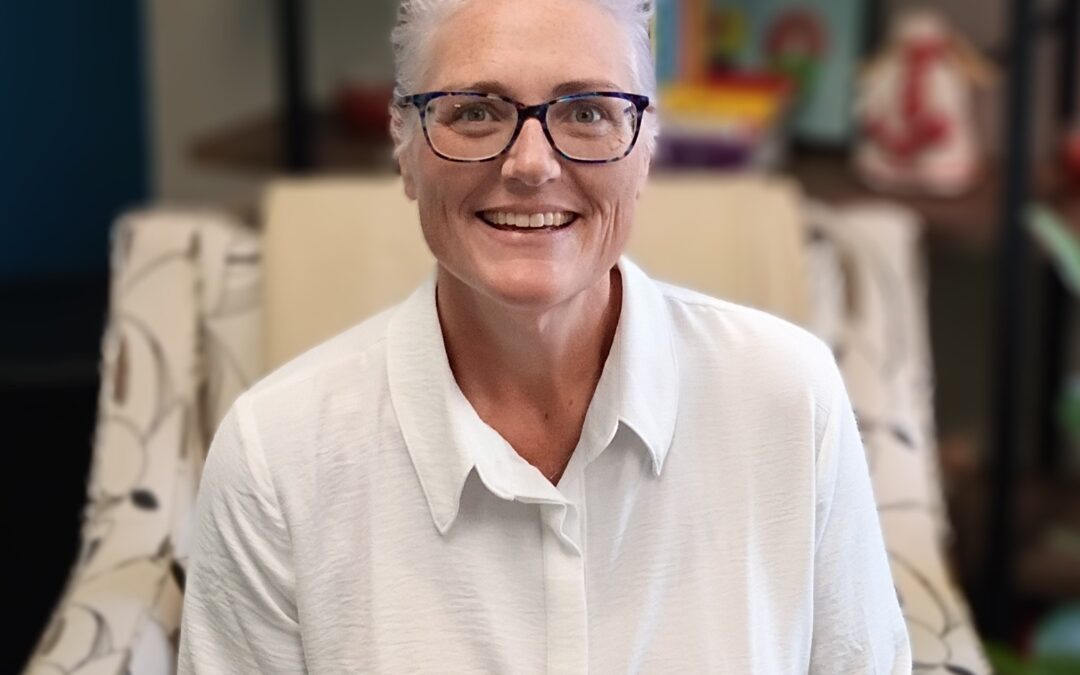
Get to Know…Lisa Juettemeyer, Greenway’s New Intern!
What inspired you to become a Licensed Professional Counselor? I was inspired to become a licensed professional counselor because of the communities that have shaped me. They offered generosity, dignity, and care long before I had the language for my own healing....
Setting Boundaries Without Guilt
Setting boundaries is one of the most powerful ways to care for your emotional health, yet it’s also one of the hardest. Many people know they should set boundaries, but the moment they try, guilt rushes in—guilt about disappointing someone, changing a pattern, or...
What the Latest Research Shows about Conversion Therapy
Over the past decade, the scientific community has reached an overwhelming and consistent conclusion: conversion therapy does not work, and it causes harm. While the term “conversion therapy” can sound clinical or neutral, the practices it describes—attempts to change...

What is Gender-Affirming Mental Health Care?
“Gender‑affirming care” has become a widely used phrase, but many people still wonder what it means in a therapy room. At its core, gender‑affirming mental health care is not a specialty reserved for a small group of clinicians. It is a standard of practice rooted in...
Mental Health Needs in Older Adults
As people move into older adulthood, their mental health needs often become more complex, more layered, and—too often—less visible. While conversations about mental health have become more open in younger generations, many older adults grew up in a time when emotional...

Doomscrolling: The Connection Between Social Media and Anxiety
Social media has become woven into nearly every part of daily life — it’s how we connect, how we learn, how we unwind, and even how we measure ourselves against others. While these platforms can offer community and creativity, they also come with a growing body of...

Professional Perspectives on Recovery Approaches: “Abstinence” or “Reducing Harm”
In the field of addiction treatment, the conversation around abstinence versus harm reduction has shifted dramatically over the past decade. What was once framed as an either/or debate has evolved into a more nuanced understanding of how people change, what motivates...
Customer Reviews